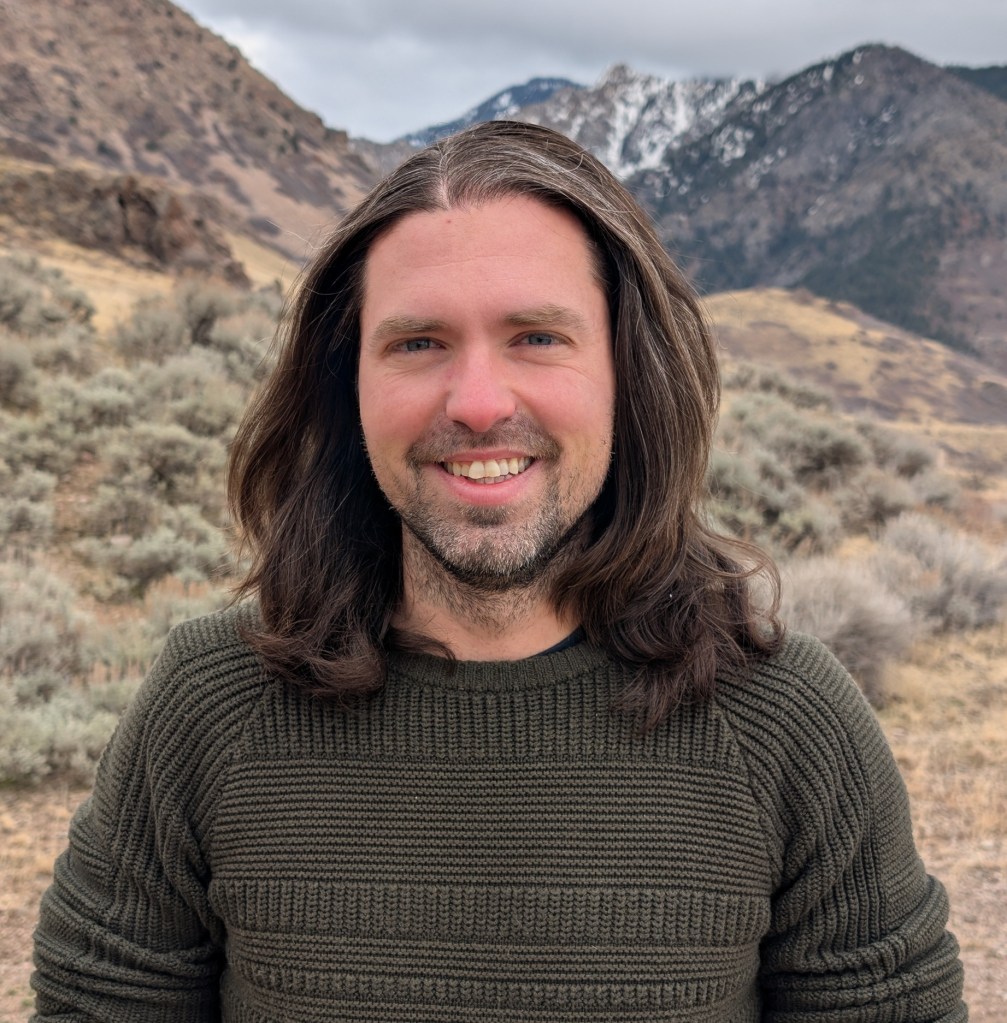
Matteo Petit Bon
Assistant Professor (July 2025 – present); North Carolina State University
I am a plant and ecosystem ecologist and the PI of the TED Lab, studying how environmental-change drivers shape biodiversity and ecosystem functioning. My research investigates the links between community composition and ecosystem processes using a trait-based ecological framework. I work across a range of ecosystems, from alpine grasslands and snowbeds in Italy to Arctic tundra and high-latitude coastal wetlands in Norway, Svalbard, and Alaska, and am expanding this work to warmer regions. Read more.
For ongoing research, see the dedicated Projects page.
Postdoctoral Research (2022–2025); Utah State University
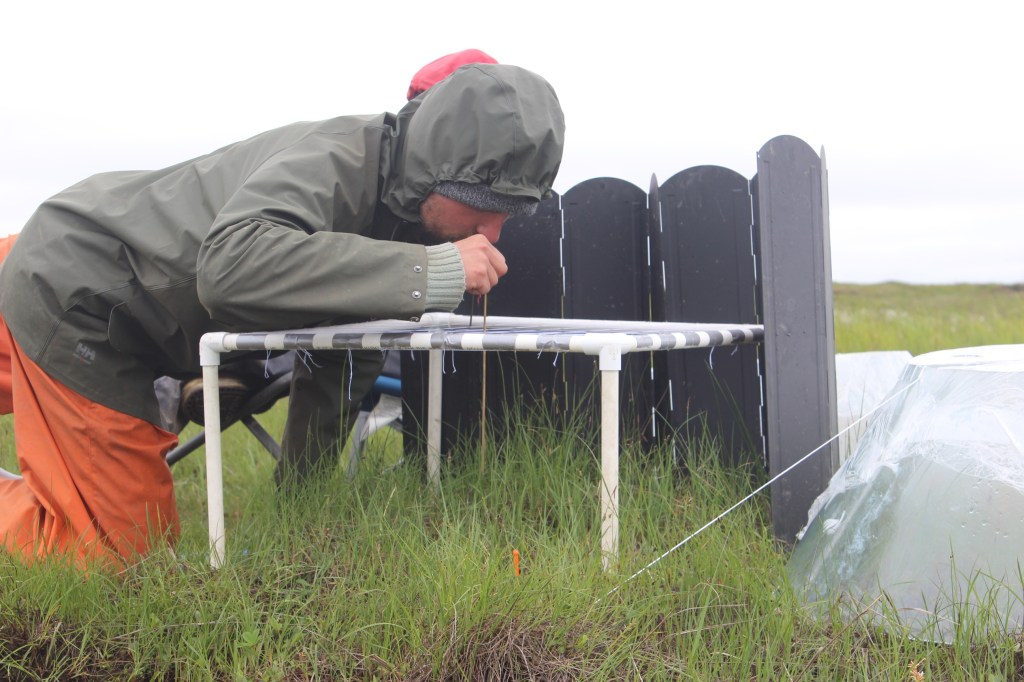
My postdoctoral research investigated how warming, flooding, and herbivory interact to shape plant communities and ecosystem processes in coastal high-latitude wetlands of the Yukon-Kuskokwim Delta (Alaska). Using field and laboratory experiments and a large-scale observational study following extreme flooding, we quantified changes in species composition, functional-trait structure, and greenhouse gas fluxes. This work integrates ecosystem ecology, biogeochemistry, and trait-based approaches to improve understanding of climate-driven transformations in Arctic coastal systems. Read more.
Postdoctoral Research (2021); Czech Academy of Sciences
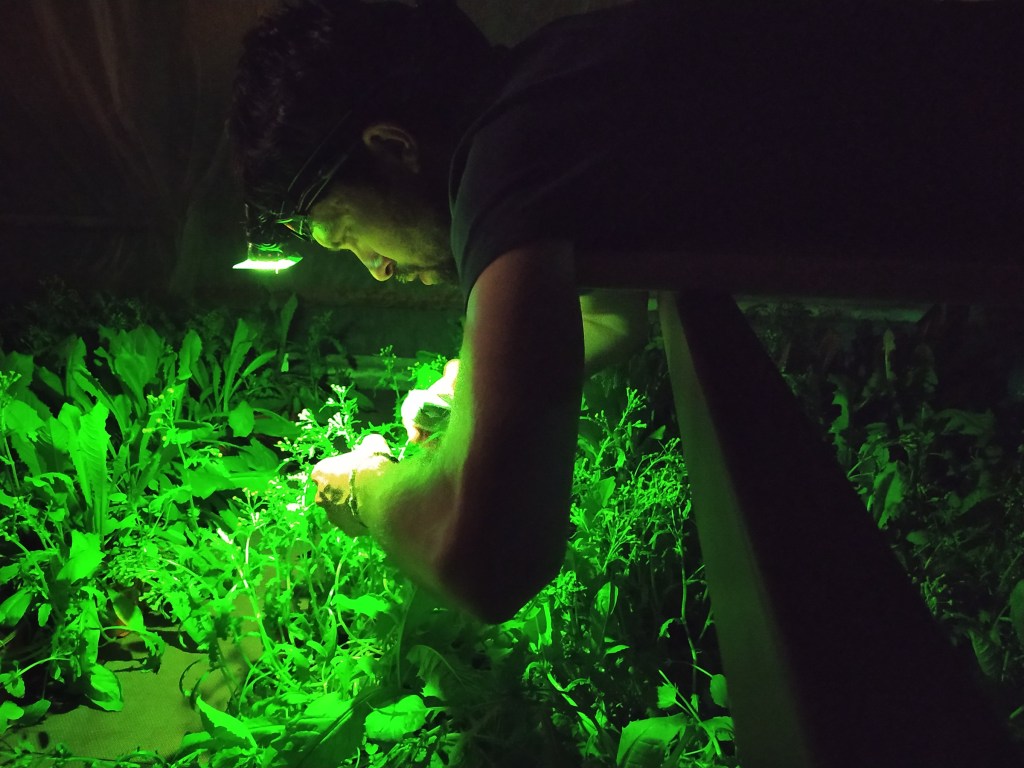
This project explored how within- and trans-generational plasticity enable plants to cope with climate change. Through a greenhouse experiment on temperate grassland species, we examined how warming, drought, and flooding influence germination, functional traits, and biomass under different competitive contexts. This experience strengthened my grounding in functional trait-based ecology and deepened my interest in linking trait variation to community and ecosystem responses to environmental change. Read more.
Doctoral Research (2015–2020); University Centre in Svalbard & The Arctic University of Norway
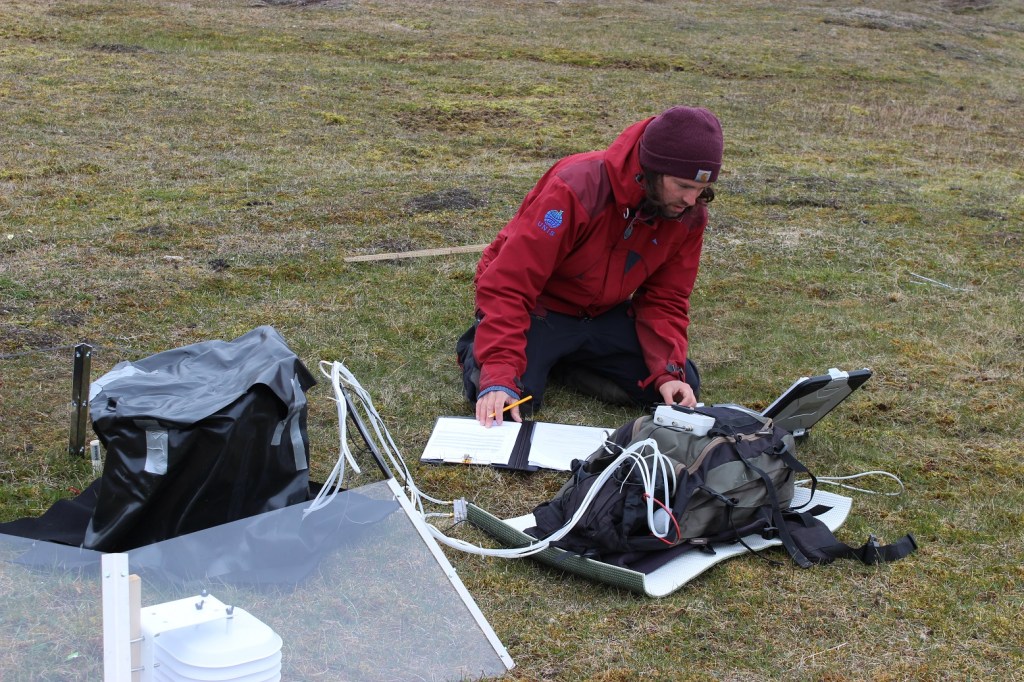
My Ph.D. research examined how herbivory and climate warming affect plant-community nutrient dynamics and ecosystem processes in the Arctic tundra. Using field experiments and observations across Svalbard and northern Norway and Near-Infrared Reflectance Spectroscopy (NIRS) methodology, we quantified fine-scale changes in plant chemistry and nutrient composition. Results showed that herbivores and warming can rapidly alter vegetation chemistry, with implications for carbon cycling. This research continues through long-term experimental and monitoring efforts established during my doctoral work in Svalbard. Read more.
Master’s Research (2012–2014); University of Parma
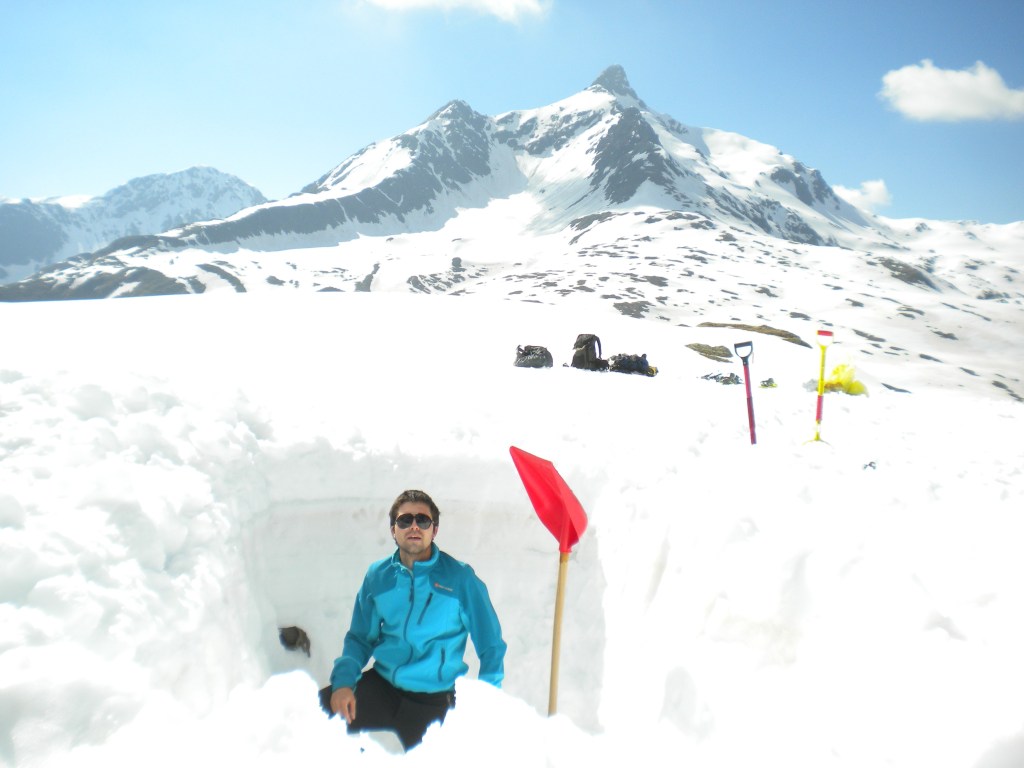
My M.Sc. research investigated how advanced snowmelt and summer warming affect the phenology of snowbed plants in the Stelvio National Park (Italy), where short growing seasons make vegetation highly sensitive to change. This experience introduced me to field-based experimental ecology and sparked my enduring interest in understanding how cold ecosystems respond to environmental change, ultimately leading me to pursue Arctic research. Read more.
 TED lab