First TED Lab field campaign successfully completed in western Alaska!
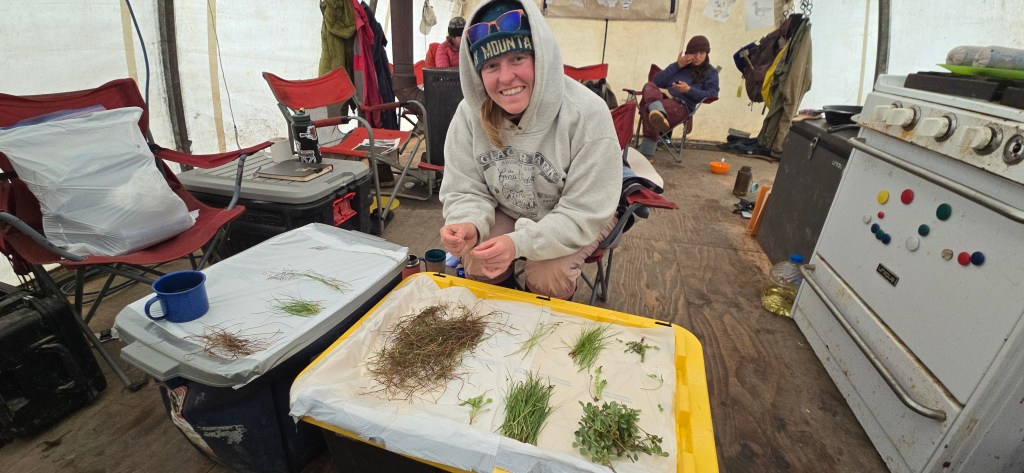
After 18 days in the Yukon–Kuskokwim Delta, Alaska, from July 1 to July 18, the first field campaign of the TED Lab has officially come to an end. The expedition marked the beginning of an exciting new chapter for the lab and laid the foundation for the Ph.D. research of Camryn Bricker, who joined the Lab in June.
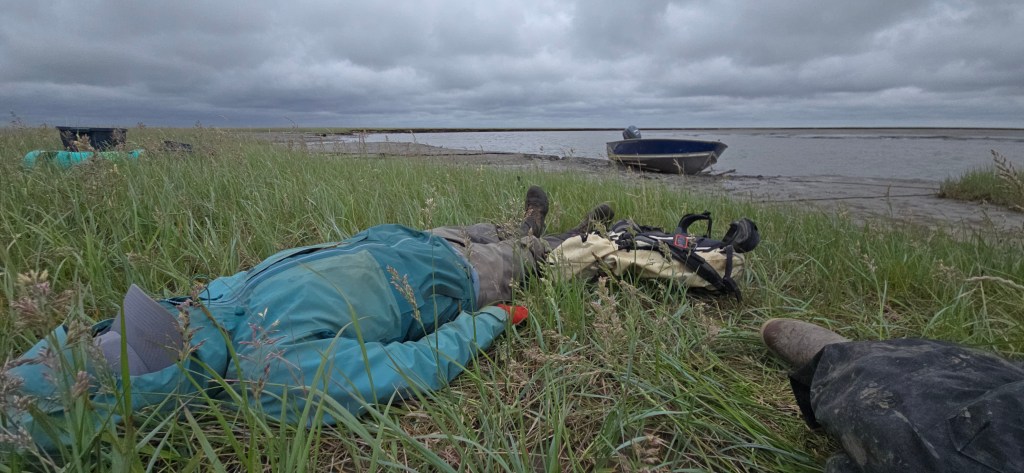
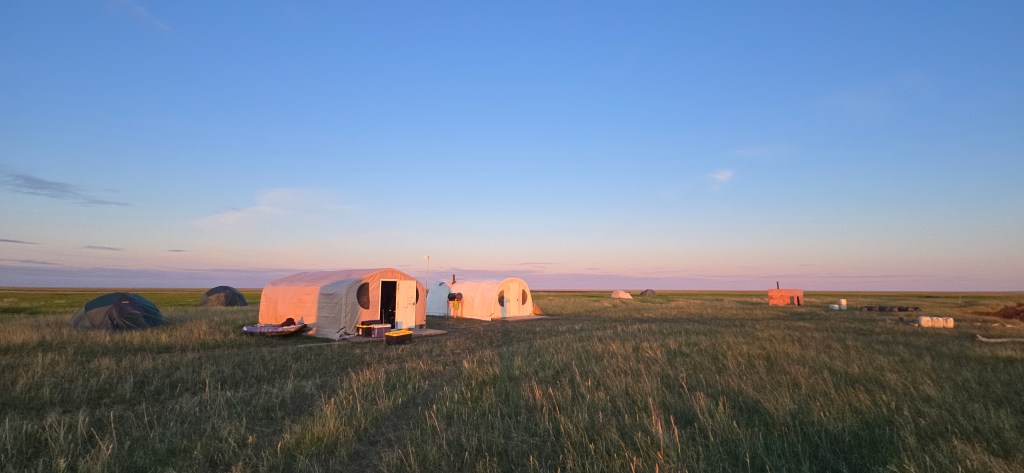
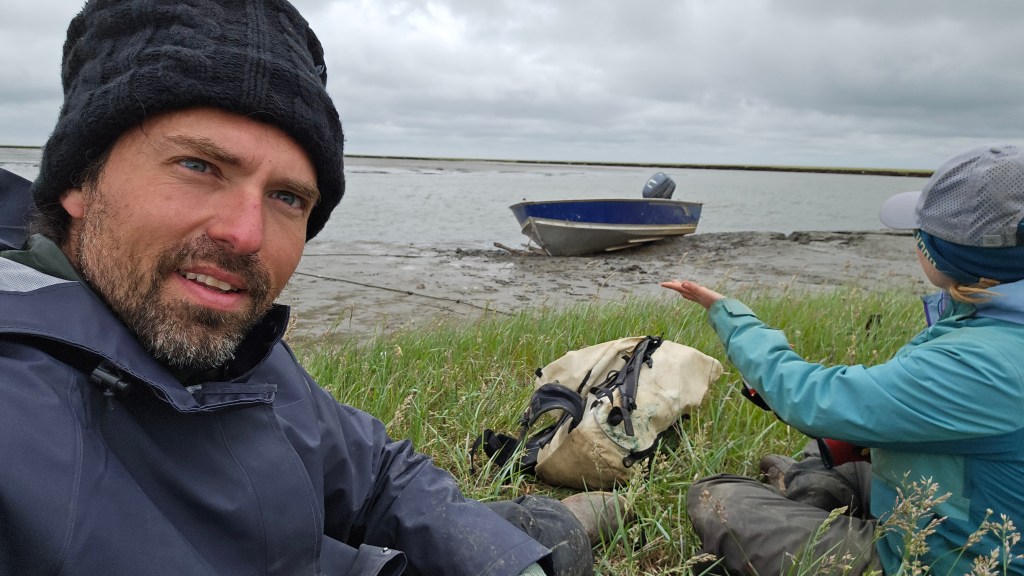
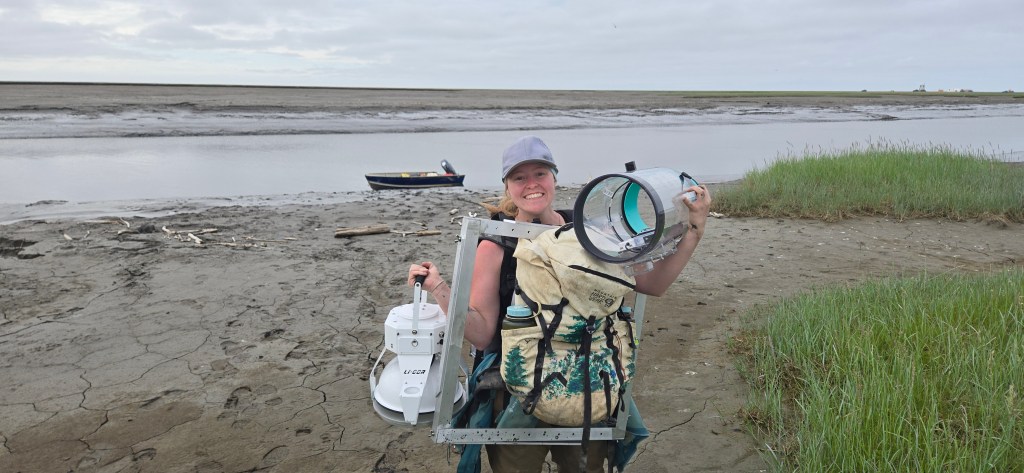
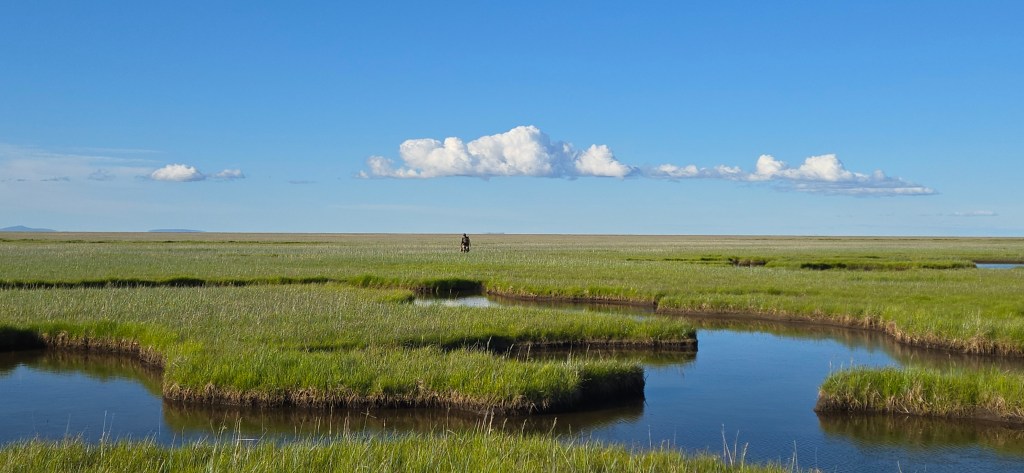
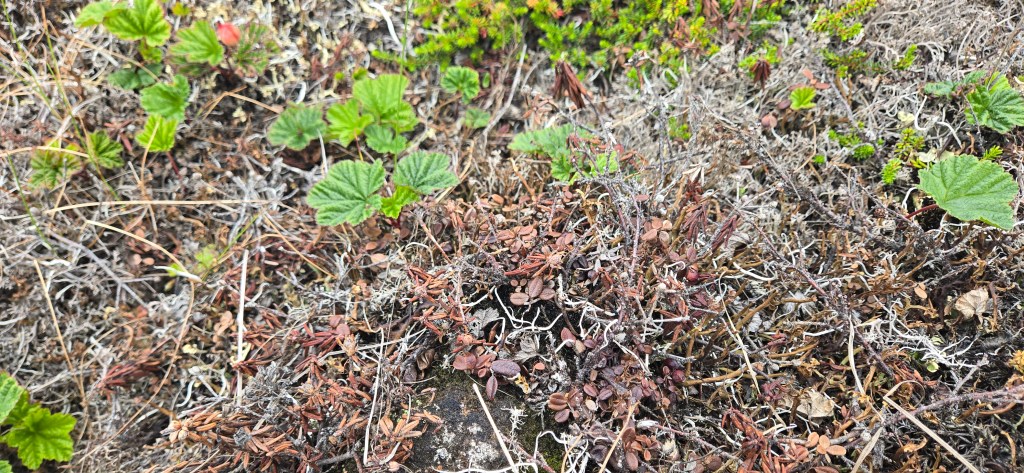
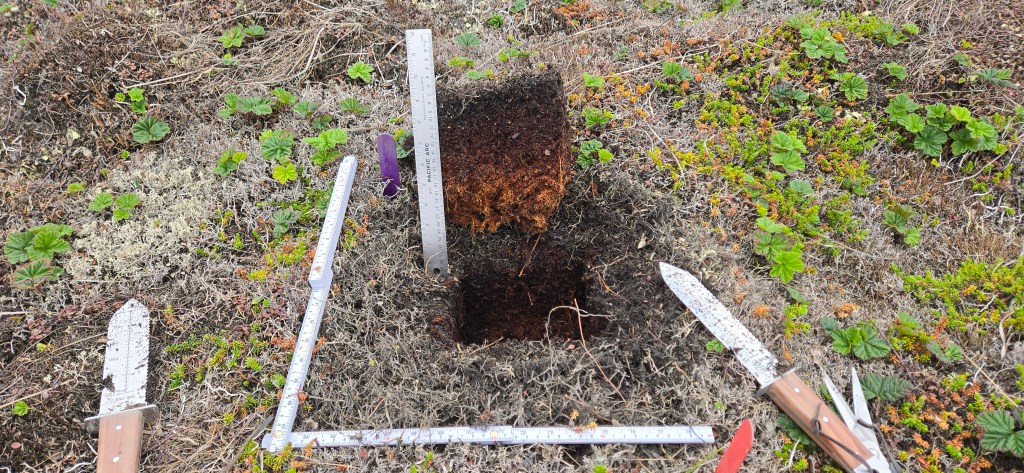
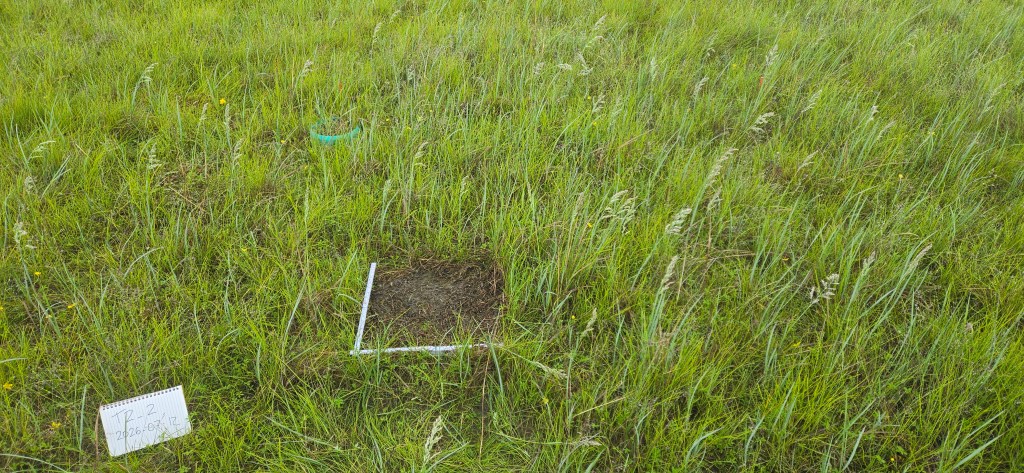
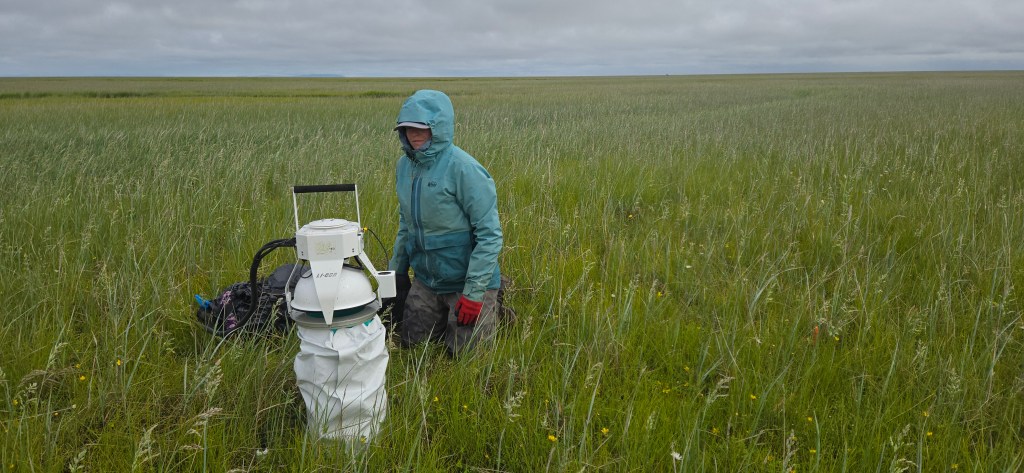
Working from the Tutakoke Black Brant Camp near the mouth of the Tutakoke River, our team spent each day traveling by boat across one of the largest coastal tundra landscapes in the world before hiking to remote field sites. Together with collaborators Ryan Choi (University of Alaska Anchorage), Torre Jorgenson (Alaska Ecoscience and University of Alaska Fairbanks), and David Koons (Colorado State University), we established a network of plots spanning a coastal-to-inland environmental gradient characterized by striking variation in flooding, salinity, permafrost, and plant communities.
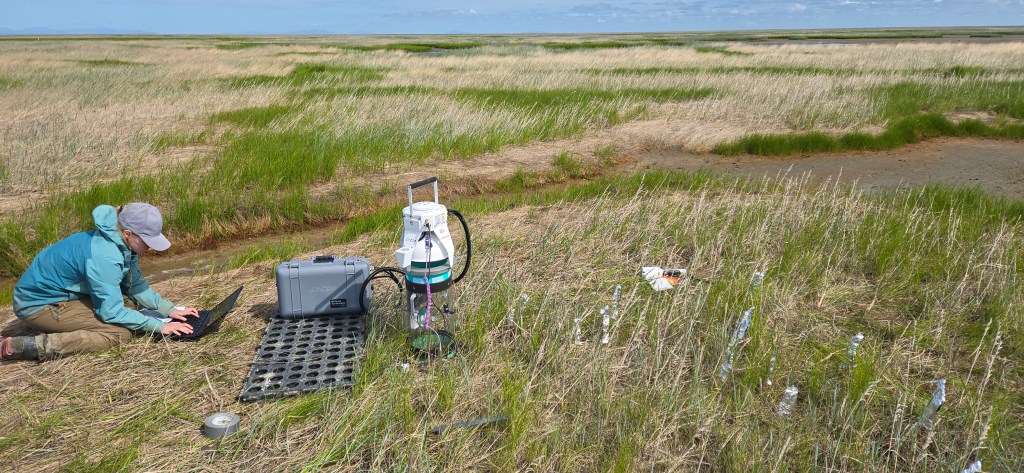
Across dozens of plots, we quantified plant community composition, plant functional traits, greenhouse gas fluxes, plant physiological responses, and a wide range of soil and water properties to better understand how Arctic coastal ecosystems respond to environmental gradients and ongoing climate change. The need for this work has become increasingly apparent in recent years. Powerful autumn storms, including the remnants of Typhoon Merbok in 2022 and Typhoon Halong in 2025, inundated the entire coastal landscape we sampled, including upland tundra that has historically remained beyond the reach of most storm surges. These events have already caused widespread vegetation damage, with high mortality of evergreen dwarf-shrubs and the dominant deciduous dwarf-shrub Betula nana. Our measurements complement more than three decades of vegetation monitoring at the site and, we hope, will become part of a long-term monitoring program that helps reveal how these ecosystems continue to change in the coming decades.
Fieldwork in western Alaska is always an adventure. Long days in the tundra, daily boat rides through winding river channels, abundant wildlife, and evenings spent together at camp, including a well-earned sauna followed by a swim in the cold waters of the Bering Sea, made this expedition as memorable as it was productive. We are especially grateful to the five members of the bird-banding team who shared their camp with us and supported our work throughout the campaign, with a special thank you to James Golden (Colorado State University) for leading camp operations.
Now that we are back in Raleigh, the next phase begins. Camryn is busy organizing hundreds of samples and preparing the extensive datasets collected during the campaign. Over the coming months, laboratory analyses and data processing will transform these field measurements into new insights about the resilience and functioning of Arctic coastal ecosystems.
Posted: July 28, 2026
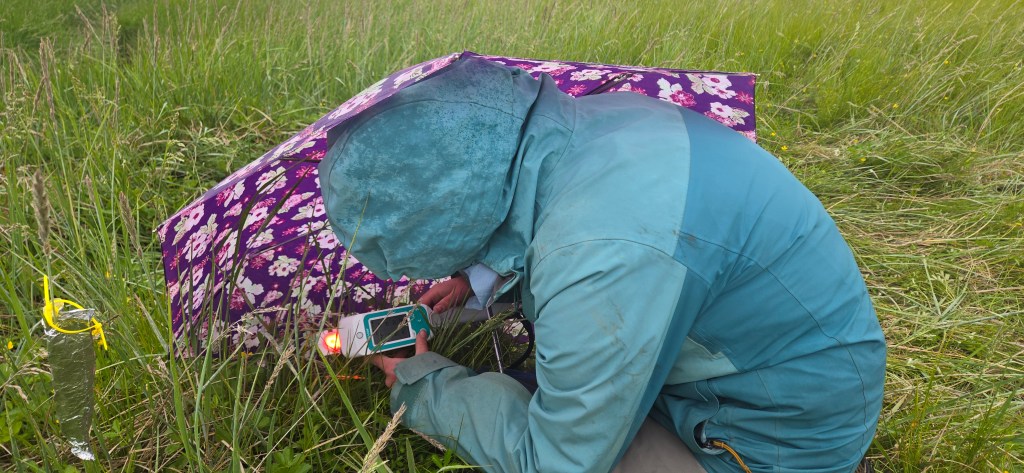
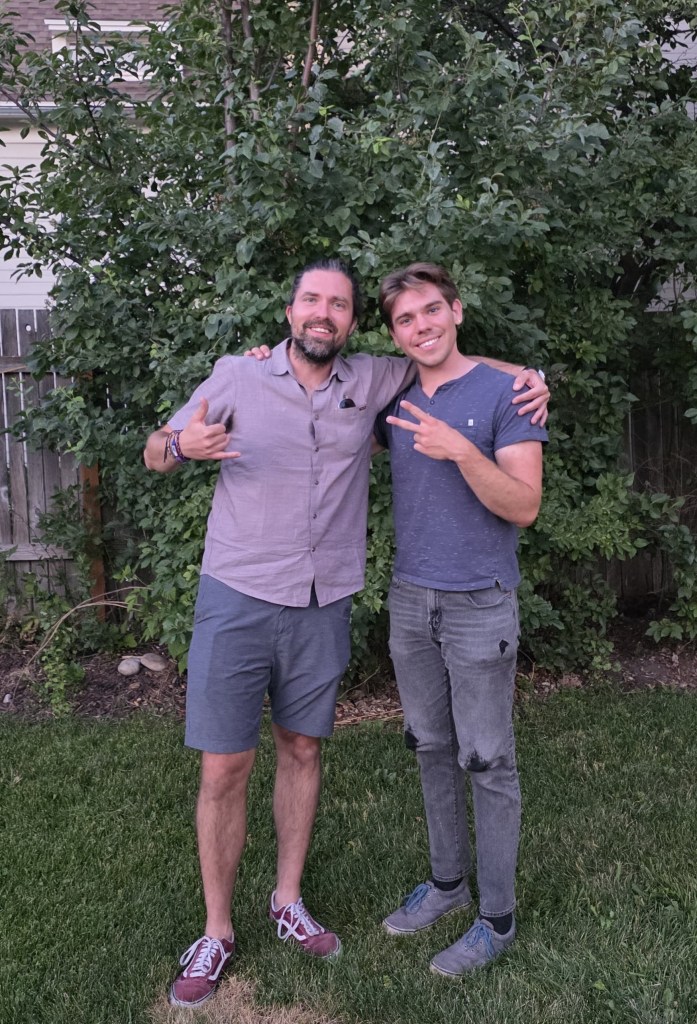
Congratulations to Tyler Williams on successfully defending his Master’s thesis!
On April 28, Tyler Williams successfully defended his M.S. thesis at Utah State University, entitled “Warming, flooding, and goose herbivory effects on two plant communities and greenhouse gas emissions: A mesocosm study in coastal western Alaska”. Tyler was advised by Dr. Karen H. Beard, with Dr. Andrew Kulmatiski and myself serving on his committee.
Tyler’s journey with Karen’s research group began in summer 2022, when he joined our first field campaign in the Yukon–Kuskokwim Delta, Alaska, as an undergraduate seeking hands-on research experience. What started as a summer opportunity became a longer-term involvement in Arctic ecology. After joining the Beard Lab as a Master’s student in 2023, Tyler returned to western Alaska for two additional field seasons.
Across three summers in the Delta, Tyler gained substantial field and research experience. He contributed to establishing and maintaining field experiments, collecting ecological data under demanding Arctic conditions, assisting newer field crew members, and participating in different stages of the research process, from data analysis to scientific writing.
For his thesis, Tyler investigated how warming, flooding, and goose herbivory influence plant communities and greenhouse gas emissions in Arctic coastal wetlands. Using a two-year field experiment, he showed that neighboring wetland communities can respond differently to environmental change, highlighting the importance of local landscape heterogeneity when predicting ecosystem responses to future climate change.
Tyler’s successful defense marks the culmination of several years of work, persistence, and dedication to ecological research. We are proud of his accomplishment and look forward to seeing where his next steps take him. Congratulations!
Posted: June 12, 2026
Following footsteps in the tundra: Celebrating Inga Svala Jónsdóttir in Iceland
On April 17–18, I had the privilege of traveling to Iceland to participate in a special event celebrating the appointment of Professor Emerita Inga Svala Jónsdóttir. The event brought together colleagues, collaborators, former students, and friends to recognize Inga Svala’s outstanding contributions to Arctic ecology, long-term ecological research, and the mentorship of multiple generations of scientists.
As part of the celebration, I was invited to give a talk titled Following footsteps in the tundra: Reflections on the (scientific) journey with Inga Svala Jónsdóttir. Rather than providing a traditional overview of her scientific achievements, the presentation reflected on the profound influence that Inga has had on my own development as a scientist. From first encountering her work as a Master’s student in Italy, to completing a PhD under her supervision in Svalbard, and continuing to collaborate with her throughout my career, the talk explored how mentorship extends beyond science through the transmission of curiosity, independence, critical thinking, and a passion for understanding the natural world.
The event also provided an opportunity to revisit many of the experiences and collaborations that shaped my scientific trajectory, including fieldwork in Svalbard, involvement in international research networks such as ITEX, and the long-term ecological studies that continue to inform our understanding of Arctic ecosystems. It was particularly meaningful to celebrate Inga’s career in Iceland, a place closely connected to both her scientific contributions and my own early experiences within the Arctic research community.
The celebration was held in conjunction with the annual meeting of the Icelandic Ecological Society, where I also had the opportunity to present recent work from my research in western Alaska. My conference presentation focused on how phenotypic plasticity and species turnover contribute to changes in the functional structure of coastal tundra plant communities exposed to experimental flooding and warming in the Yukon–Kuskokwim Delta. It was a fitting opportunity to discuss ongoing research inspired by many of the same questions that have guided Inga’s work throughout her career, while also reflecting on the lasting impact of her mentorship and scientific legacy.
Posted: June 12, 2026
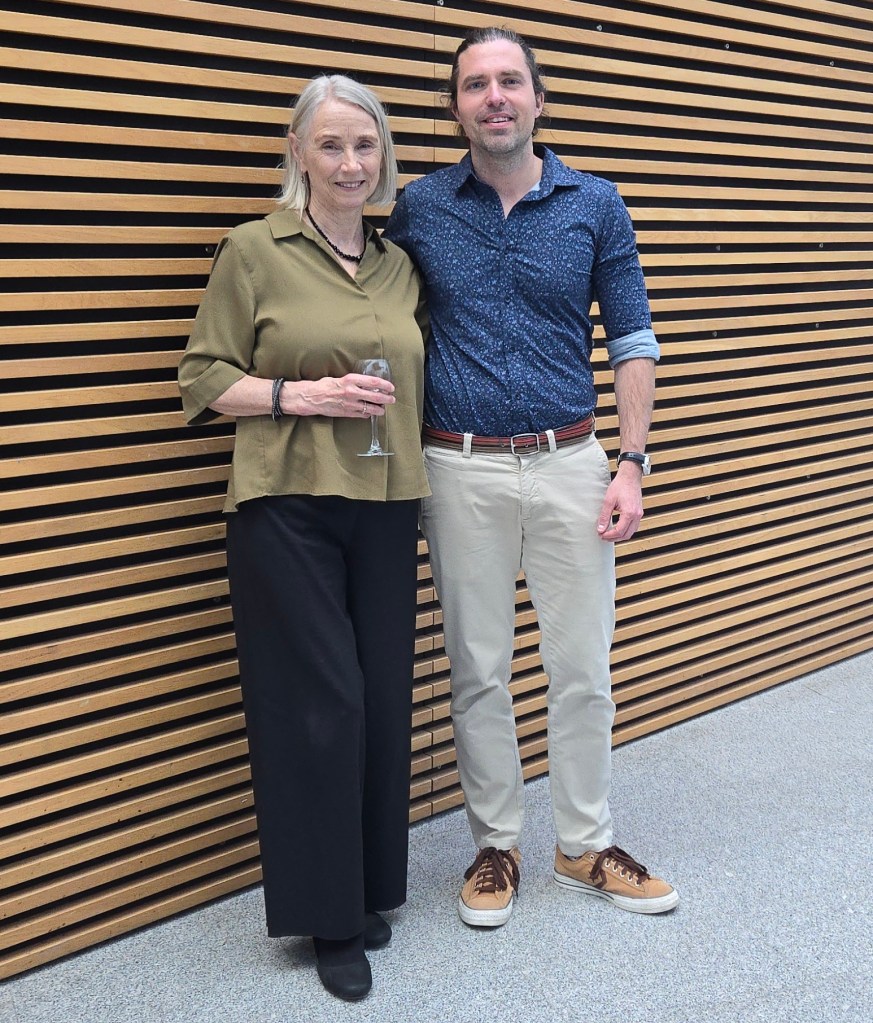
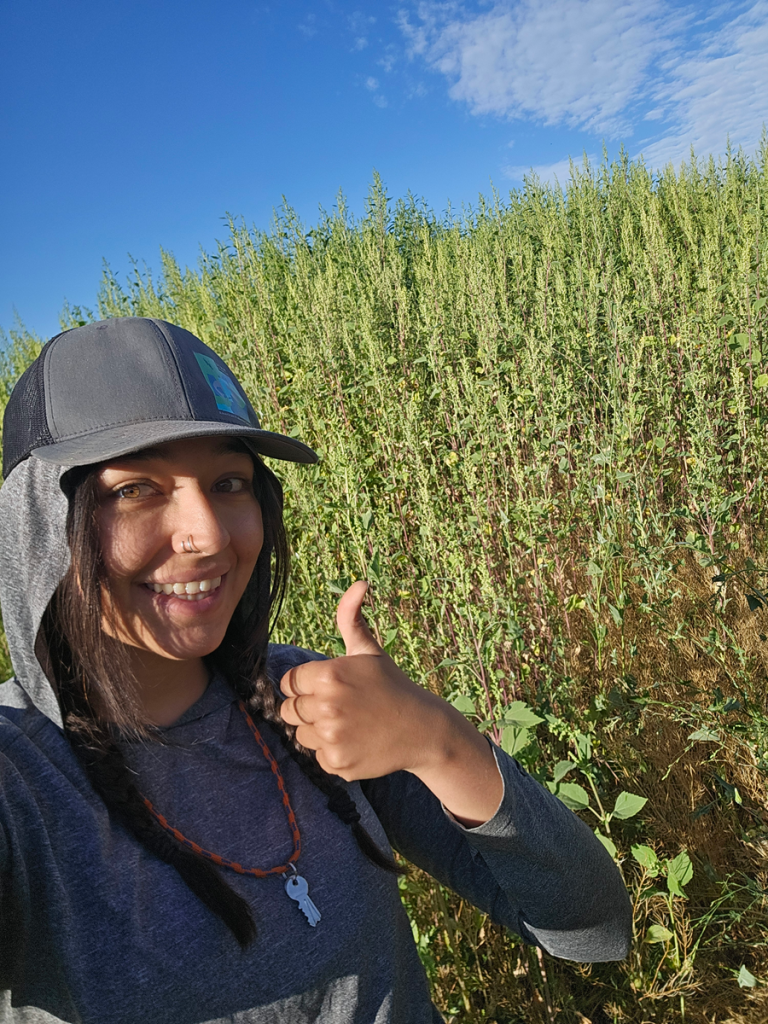
Cristina Chirvasa publishes first first-author paper in Oecologia
We are very pleased to share that Cristina Chirvasa, a former undergraduate researcher at Utah State University whom I co-mentored with Prof. Dr. Karen H. Beard, has published her first scientific paper as first author in Oecologia. The article appears in the journal’s ‘Highlighted Student Research’ category, which showcases research led by student authors.
Cristina conducted this work as part of an NSF-funded project in the Yukon–Kuskokwim Delta examining rapid plant trait responses to major global change drivers. I mentored Cristina throughout the entire research process, from the establishment of the field experiment and data collection in Alaska to data analysis, manuscript preparation, and publication. Supporting students through the full trajectory of a scientific project, from fieldwork to peer-reviewed publication, is one of the most rewarding aspects of academic mentorship.
During her undergraduate training, Cristina was recognized as the top undergraduate student of the year (2023–2024) in the Quinney College of Natural Resources at Utah State University and received the Peak Summer Undergraduate Research Award. She was also selected to participate in the Scholars Transforming Through Research event (2024) organized by the Council of Undergraduate Research in Washington, DC. I accompanied Cristina to the event, where she presented her research and discussed the importance of ecological research and conservation with policymakers and members of Congress.
Cristina is currently working as a lab manager at Utah State University and is preparing the next steps toward a Ph.D. focused on socioecological restoration and functional ecology. I am extremely proud of Cristina’s accomplishments and look forward to seeing her continued growth as a scientist. Congratulations!
Posted: March 15, 2026

