Current Lab members
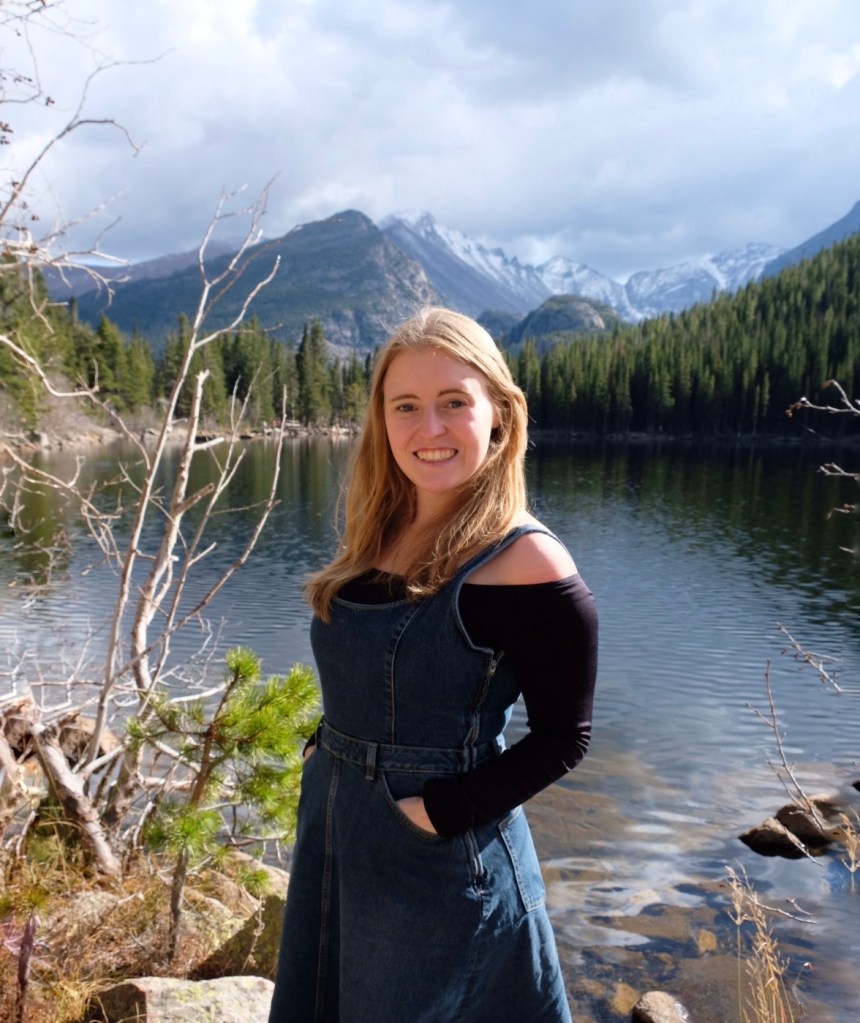
Current PhD student: Camryn Bricker (2026–present)
Camryn joined the TED Lab in June 2026. She earned her M.S. in Environmental Science from the University of Colorado Denver, where she investigated how coastal storm disturbances influence plant trait responses and carbon cycling in the wetlands of western Alaska.
Her doctoral research examines how plant functional diversity influences ecosystem properties and biogeochemical processes across high-latitude ecosystems in Alaska and Norway. She is particularly interested in aboveground traits related to plant size, leaf economics, and plant physiology, as well as belowground traits related to fine-root morphology and resource-use strategies. By linking plant traits to carbon and nutrient cycling, her work aims to improve our understanding of the mechanisms through which vegetation regulates ecosystem functioning.
To address these questions, Camryn combines observational studies along a coastal-to-inland gradient in the Yukon–Kuskokwim Delta, Alaska, with long-term climate-change experiments in Arctic Svalbard. In Alaska, she will examine how microtopography-driven variation in inundation shapes plant communities and ecosystem processes across the landscape. In Svalbard, she will investigate how winter rain-on-snow events and summer warming alter ecosystem functioning over time. Together, these complementary approaches allow her to evaluate how environmental gradients and global change drivers shape Arctic ecosystem structure and function.
More broadly, Camryn is interested in understanding the mechanisms that govern ecosystem functioning and resilience, and in applying that knowledge to better predict how ecosystems will respond to anthropogenic climate change.
Undergraduate researchers
Charlie Cochran (2026–present)
Examining above- and belowground biomass allocation across plant communities along a flooding gradient in the Yukon–Kuskokwim Delta through AEC 492–493: Undergraduate Research.
Hunter Angel (2026–present)
Examining aboveground plant functional group composition across plant communities along a flooding gradient in the Yukon–Kuskokwim Delta through AEC 492–493: Undergraduate Research.
Students advised on committees
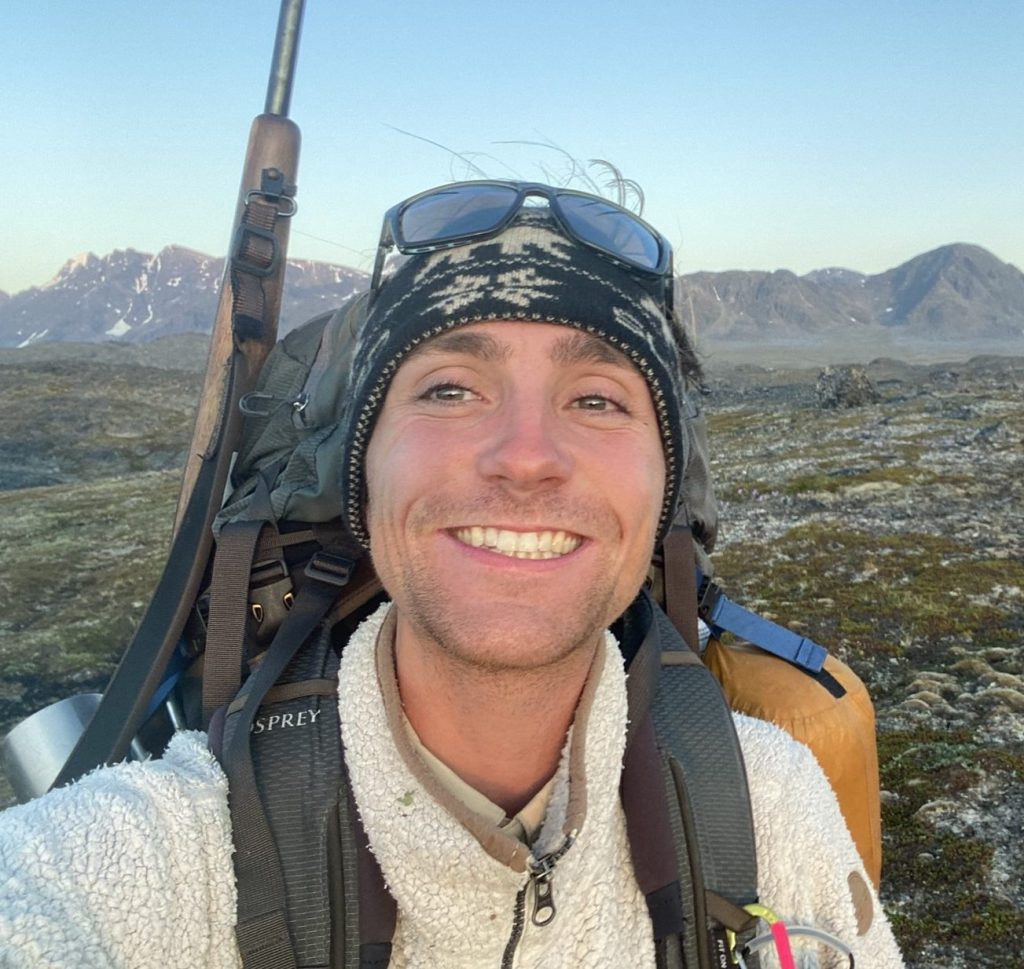
Current PhD student: Arthur Grand (2026–present)
Arthur works with Dr. Isabel C. Barrio at the Faculty of Environmental and Agricultural Sciences, Agricultural University of Iceland, and Dr. Mathilde Le Moullec at the Greenland Institute of Natural Resources. As part of the Icelandic Research Fund–funded TUNDRAdiet project, he investigates the diet quality of large Arctic herbivores, particularly reindeer/caribou and muskoxen. His research synthesizes current knowledge of tundra herbivore diets and examines how extreme winter warm spells in Svalbard and continentality gradients across Greenland influence forage and diet quality. His broader interests span functional ecology, dietary variation, and tundra resilience. His work aims to determine how changing nutritional landscapes may shape the future of Arctic herbivore populations, with potential consequences for the cultural and economic values these populations provide to local communities in the Arctic.
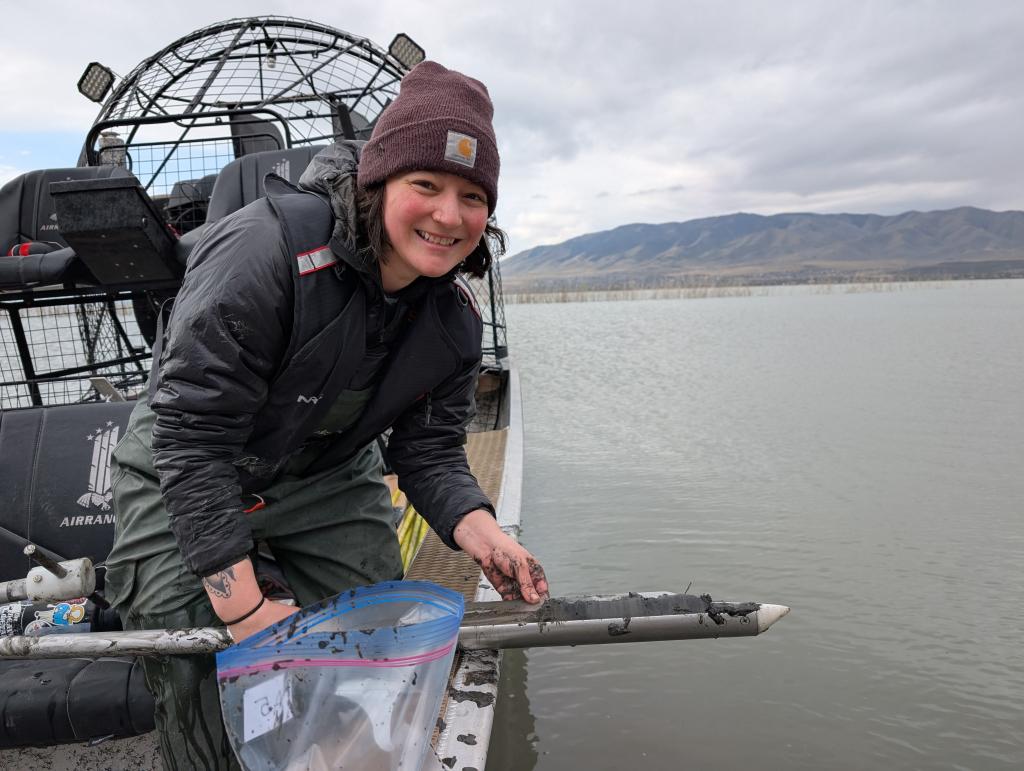
Current PhD student: Emily Santos (2024–present)
Emily works with Dr. Karen Beard in the Community and Global Change Ecology Lab at Utah State University (USU), where she studies how climate-driven shifts in flooding, warming, and herbivory shape plant traits and ecosystem functioning. As part of an NSF-funded project in the Yukon–Kuskokwim Delta, she examines how these multiple stressors influence above- and belowground traits and their coordination in wetland species. Emily also works with Dr. Karin Kettenring in the Wetland Ecology and Restoration Lab at USU on an EPA-funded Utah Lake restoration project. This work focuses on how the seed bank responds to hydrologic extremes, its capacity to support recovery, and how diverse seeding strategies can enhance restoration outcomes. Her broader interests span functional ecology, climate adaptation, and wetland resilience, and her work aims to inform applied management and restoration of climate-vulnerable ecosystems.
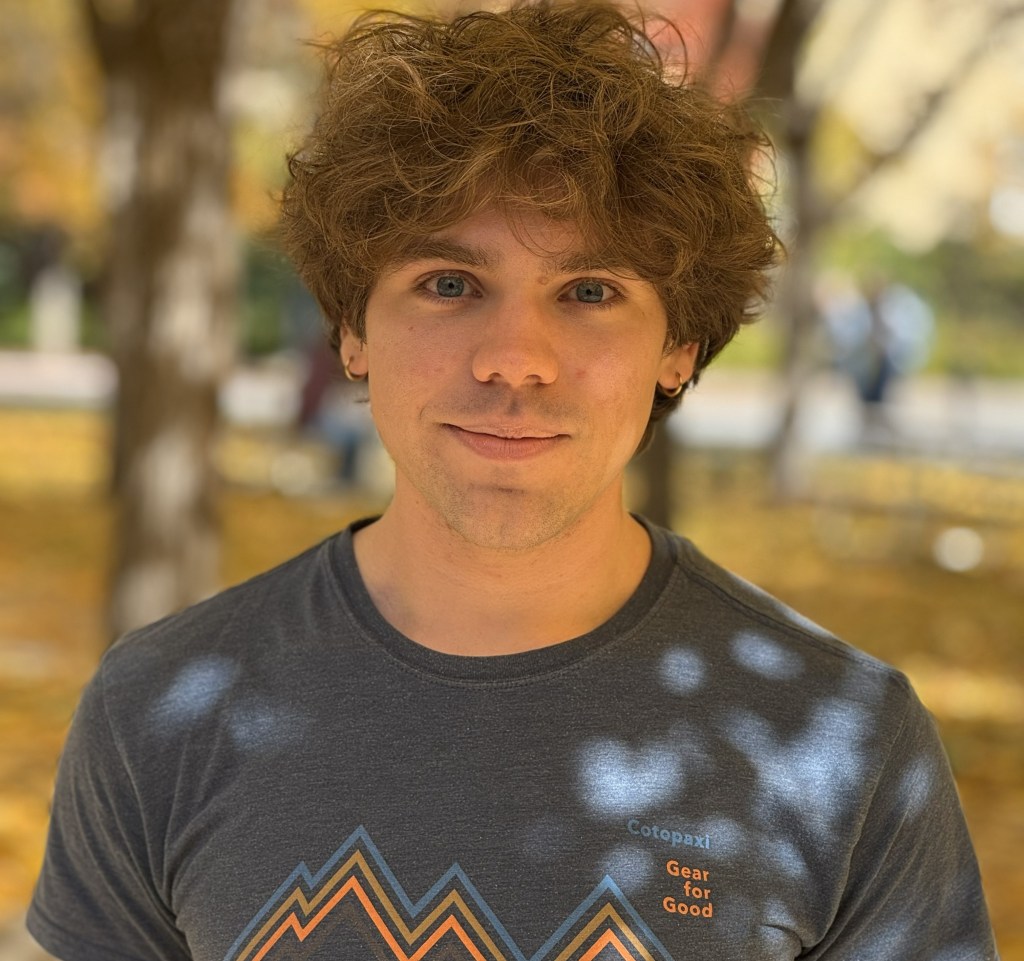
Former master’s student: Tyler Williams (2023–2026)
Tyler worked with Dr. Karen Beard in the Community and Global Change Ecology Lab at Utah State University (USU). He was part of an NSF-funded project in the Yukon-Kuskokwim Delta, characterizing how climate-driven shifts in warming, flooding, and herbivory altered plant communities and greenhouse gas fluxes in coastal high-latitude wetlands. Originally born and raised in Nebraska, he later pursued a B.Sc. from South Dakota State University in Ecology and Environmental Science with an emphasis in botany. After completing his master’s degree, he planned to pursue a PhD in plant ecology. In his free time, he enjoyed outdoor activities, including hiking, camping, rock climbing, and learning new plants, as well as reading, spending time and going out with friends, and playing violin in the Cache Symphony Orchestra.

