Assistant Professor (July 2025 – present)
Department of Applied Ecology, North Carolina State University (USA)
I am yet another plant and ecosystem ecologist fascinated by how biodiversity shapes the functioning of ecosystems. My research explores how local and global environmental drivers interact to alter plant species composition, the functional-trait structure of plant communities, and how these changes affect ecosystem processes such as carbon and nutrient cycling.
The mechanisms underlying plant-community responses to environmental change and their consequences for ecosystem functioning remain poorly understood. Trait-based ecology provides a powerful framework to uncover these links, as functional traits mediate both plant responses to the environment and feedbacks to ecosystem processes. As Principal Investigator of the TED Lab, my long-term goal is to develop a mechanistic understanding of how shifts in plant functional traits scale up to influence ecosystem dynamics and services. I am also a passionate mentor and instructor, committed to training the next generation of ecologists and ensuring that our research is shared openly with the scientific community through rigorous, peer-reviewed publications.
Postdoctoral Research (January 2022 – June 2025)
Utah State University, Department of Wildland Resources and Ecology Center (USA)
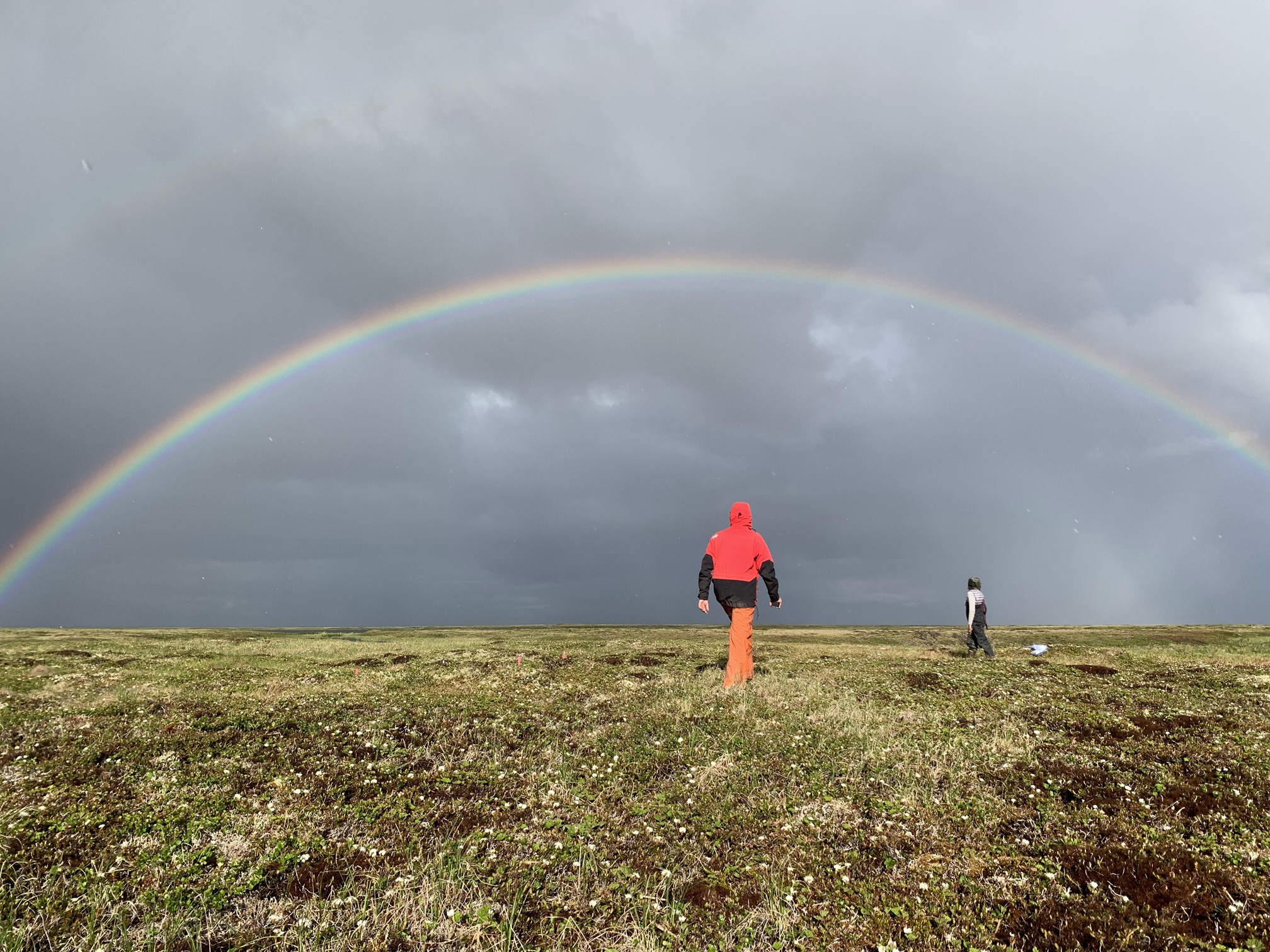
Coastal high-latitude ecosystems are among the most vulnerable to sea-level rise and storm surges, yet their plant-community and ecosystem responses to altered flooding regimes remain poorly known. My postdoctoral work focused on quantifying these responses in the Yukon-Kuskokwim (Y-K) Delta of western Alaska – the second largest river delta in North America – under interacting drivers of warming and herbivory.
We conducted factorial field and laboratory experiments, complemented by a large-scale observational study initiated after ex-typhoon Merbok (2022), which caused extensive inland flooding up to 30 km from the coast. The work focused on shifts in (i) species composition and functional-trait structure of plant communities and (ii) greenhouse gas (CO₂ and CH₄) exchange.
I led field teams of graduate and undergraduate students and technicians (5–8 people) over three field seasons (2022–2024), supporting them in developing research questions, data collection, statistical analyses, and manuscript preparation. This project, funded by the U.S. National Science Foundation (NSF), was led by Prof. Dr. Karen H. Beard (Utah State University) and conducted in collaboration with South Dakota State University (Prof. Dr. A. Joshua Leffler) and the University of Colorado Denver (Prof. Dr. Katharine C. Kelsey). Further details and outputs are available in the Projects page.
Postdoctoral Research (January 2021 – December 2021)
Institute of Botany, Czech Academy of Sciences, Department of Functional Ecology (Czech Republic)
Phenotypic plasticity plays a key role for plant adaptations to climate change. While within-generation plasticity has been extensively studied, trans-generational plasticity – the ability of parents to pre-condition their offspring to future environments – remains less understood. During this postdoctoral project, I focused on both trans- and within-generational plasticity, exploring phenotypic responses to novel environmental conditions.
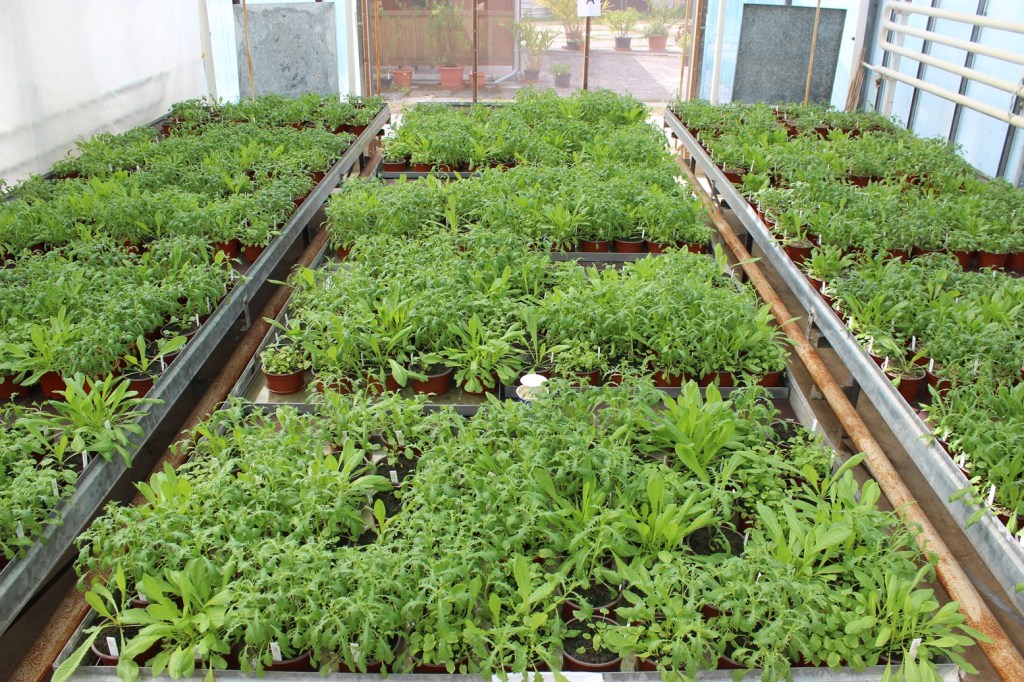
In a greenhouse experiment, we tested both trans-generational (parent-to-offspring) and within-generational (offspring) plasticity in seed germination, functional traits, and biomass production under warming and watering (drought and flooding) treatments. We grew three common temperate grassland species (Senecio vulgaris, Taraxacum officinale, and Viola arvensis) under varying competitive settings (individuals, monocultures, mixed-species combinations) to evaluate how competition and facilitation, both within and between species, shape plastic responses. Despite significant disruption from the COVID-19 pandemic, this experience expanded my understanding of functional trait-based ecology, which I had not previously applied during my Ph.D. The research was funded by the Czech Science Foundation (GAČR) (PIs: Dr. Lars Götzenberger and Dr. Vít Latzel).
Doctoral Research (January 2015 – September 2020)
University Centre in Svalbard (UNIS), Department of Arctic Biology (Svalbard) & UiT The Arctic University of Norway, Department of Arctic and Marine Biology (Norway)
My doctoral research examined how herbivory and climate warming influence plant-community nutrient dynamics in the Arctic tundra. While long-term studies had shown that these drivers alter plant-community nutrient levels through vegetation changes, their short-term effects on plant chemical composition remained poorly understood, in part due to methodological limitations.
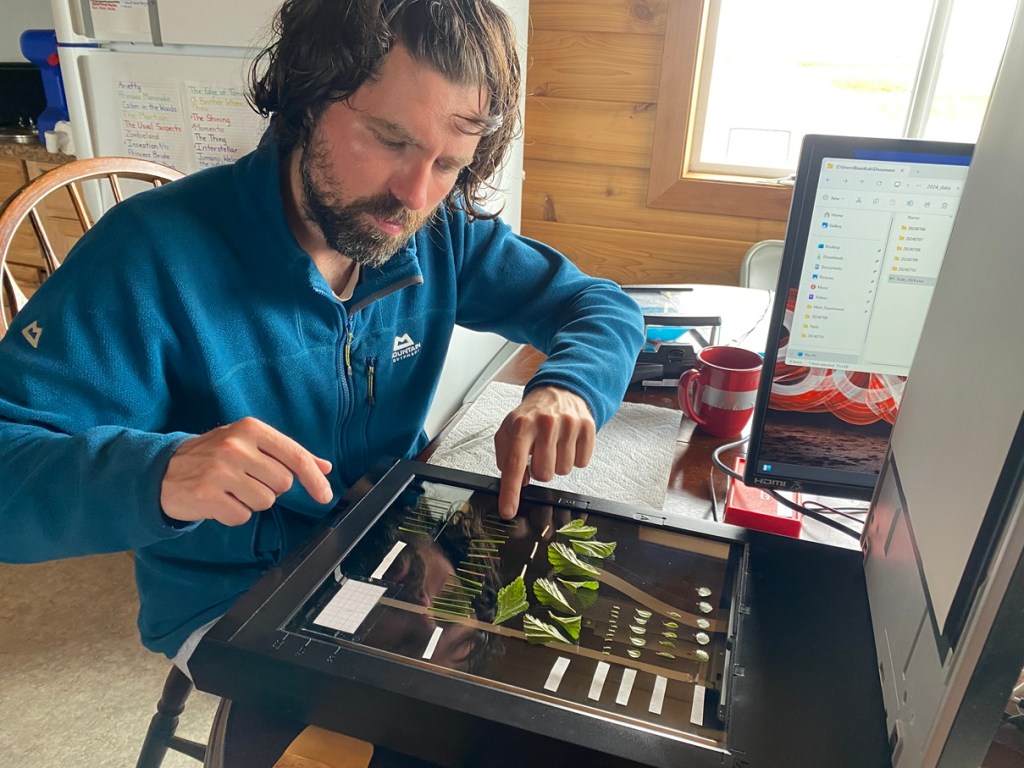
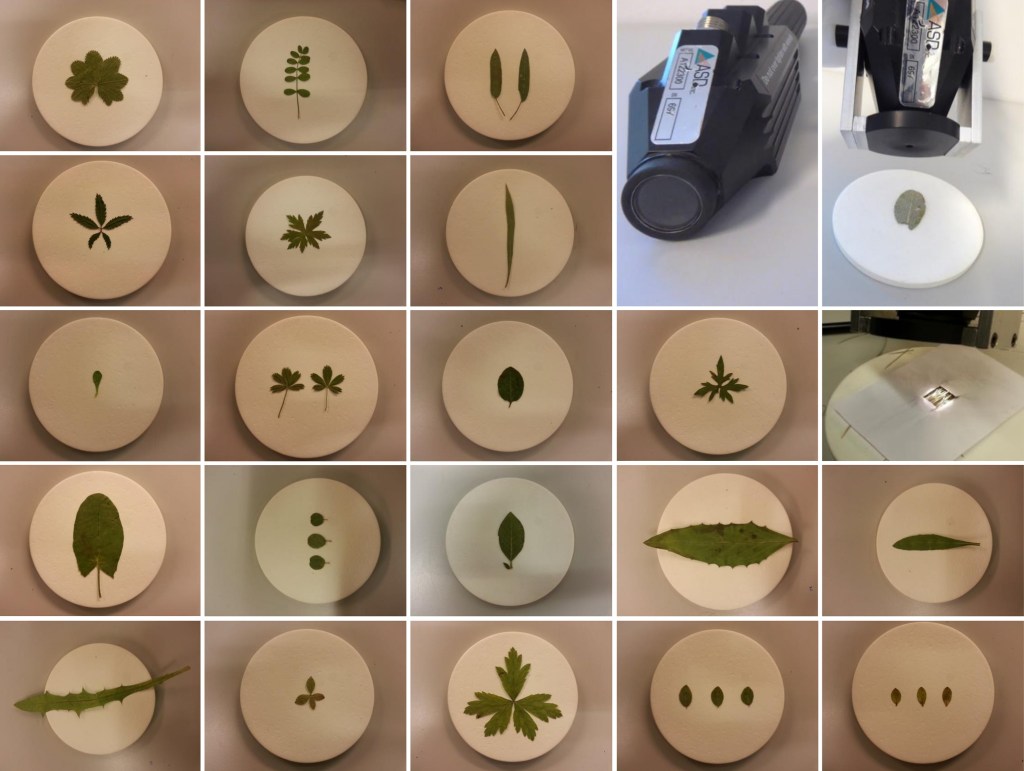
We developed a rapid, cost-effective method using Near Infrared Reflectance Spectroscopy (NIRS) to quantify key chemical constituents (C, N, P, Si) in individual leaves. This technique was applied in two field experiments in high-Arctic Svalbard and low-Arctic/alpine Norway to assess the impacts of herbivory (rodents, reindeer, and geese) and warming on plant-community nutrient composition.
Results from this work demonstrated that herbivores and warming can alter the chemical composition of tundra vegetation at much shorter temporal and spatial scales than previously recognized, with implications for ecosystem functioning. My Ph.D. was supervised by Prof. Dr. Ingibjörg S. Jónsdóttir (University of Iceland) and Prof. Dr. Kari Anne Bråthen (UiT). In parallel, we investigated how herbivores and warming affect ecosystem processes such as plant litter decomposition and CO₂ fluxes, using both experimental manipulations and long-term herbivore exclosure studies in Semmeldalen (PI: René van der Wal, Uppsala University) and Ny-Ålesund (PI: Maarten J. J. E. Loonen, University of Groningen). Finally, I co-designed and initiated a field experiment in Svalbard (2015–ongoing) on how mid-winter rain-on-snow events leading to icing interact with elevated summer temperatures to influence tundra plant communities and ecosystem processes. This research, originally funded by the Norwegian Research Council and led by Dr. Brage B. Hansen (Norwegian Institute for Nature Research), continues as a collaborative effort; details and outputs are provided in the Projects page.
M.Sc. research (January 2012 – April 2014)
University of Parma, Department of Chemistry, Life Sciences, and Environmental Sustainability (Italy)
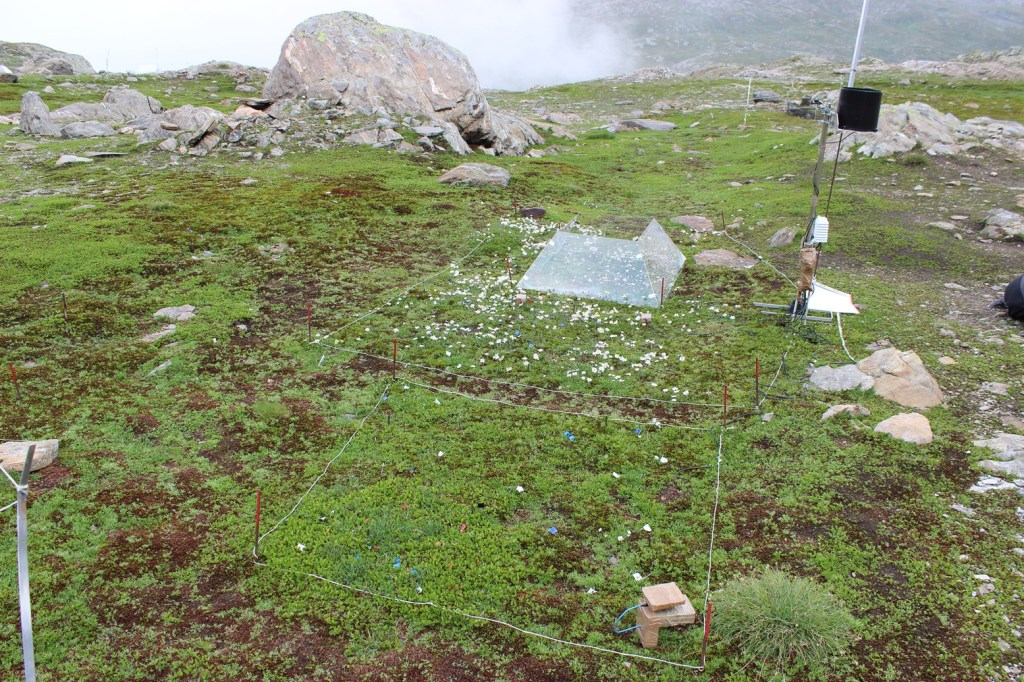
My M.Sc. research examined how advanced snowmelt and summer warming influence the phenology of snowbed plants. Snowbeds represent natural laboratories for studying the effects of climate change on high-alpine ecosystems: their prolonged snow cover and short growing season mean that even small changes in growing conditions can substantially alter the timing of life events such as flowering and seed dispersal, with consequences for population dynamics and species persistence. The experiment, which combined snow removal in spring and elevated temperatures in summer, was conducted in the Gavia Valley, within the Stelvio National Park. My M.Sc. was supervised by Prof. Dr. Alessandro Petraglia and Prof. Dr. Michele Carbognani.
I hold a deep appreciation for my years in Parma, which profoundly shaped my scientific path. It was the research group there that first taught me what it truly means to read scientific literature critically, to collect field data under demanding conditions, and to recognize that completing fieldwork is only the beginning of the scientific process – data analysis and writing form the remaining, and often most challenging, 95%. Working in the Stelvio National Park ignited my fascination with ecology and, in particular, with how cold environments respond to climate change. That experience convinced me to pursue a career in research, leading me to accept a Ph.D. position in Longyearbyen, Svalbard, the northernmost town on Earth – an opportunity without which all the years that followed would not have been the same.
Looking back, this journey has been transformative not only scientifically but also personally. It was during those formative years that I embraced what I consider a core principle of science, and of life more broadly: we are free to explore, to question, and to seek explanations about the world around us, yet no explanation holds value unless it is supported by evidence. Perhaps this principle has never been more essential than today, in a time when misinformation and unfounded opinions too often overshadow science.
 TED lab