Publications involving the TED Lab (from 2026 onward)
Multiple climate change effects on Arctic tundra ecosystems
My role: PI or collaborator (depending on the study)
PIs: Matteo Petit Bon (PI – warming × herbivory studies); Brage B. Hansen (PI – icing × warming studies; Norwegian Institute for Nature Research); Rene van der Wal (PI – long-term reindeer exclosure experiment in Semmeldalen; Swedish University of Agricultural Sciences); Maarten J. J. E. Loonen (PI – long-term goose exclosure experiment in Ny-Ålesund; University of Groningen)
Funding: The Research Council of Norway, The Governor of Svalbard
Keywords: Basal ice (winter icing); Ecosystem CO2 fluxes (GEP, ER, NEE); Ecosystem compartments (soil, mosses, vascular plants); Geese; Grubbing; International Tundra Experiment (ITEX) Network; Habitats; Herbivory; Litter decomposition (Tea Bag Index Network); Long-term exclosures; Near-infrared reflectance spectroscopy (NIRS); Open-top chambers (OTCs); Plant community composition; Plant functional traits; Plant functional types (PFTs); Plant nutrients (carbon, nitrogen, and phosphorus); Rain-on-snow events; Reinder (or caribou); Seasonality; Summer warming
Overview
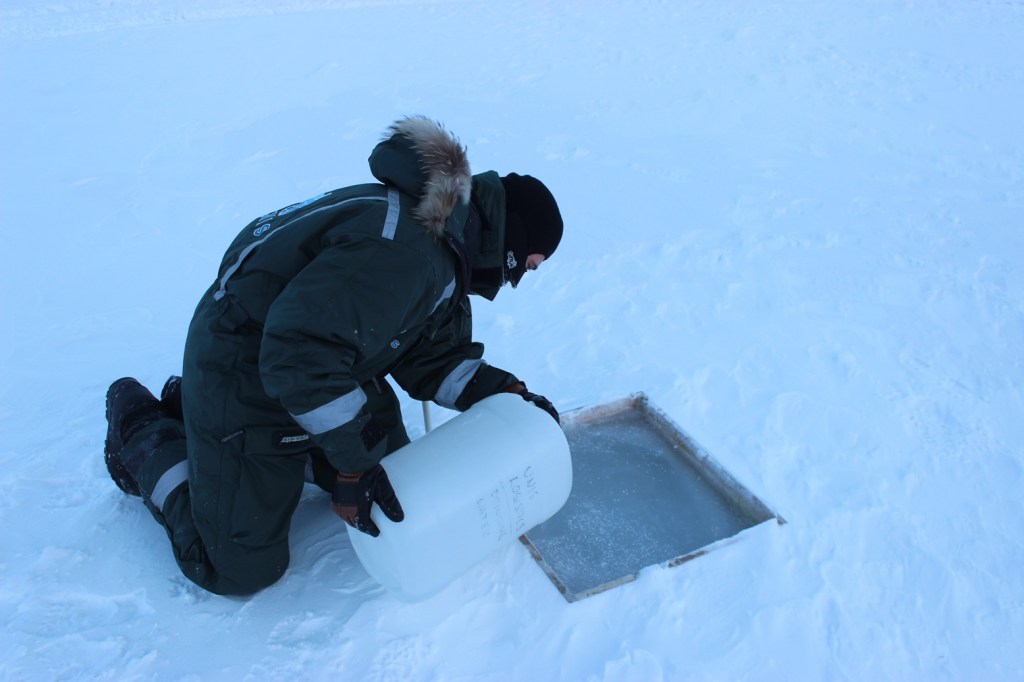
Arctic ecosystems are exposed to multiple, interacting climate-change drivers, and the northern Barents Sea region – home to the high-Arctic archipelago of Svalbard – is among the fastest warming areas on the planet. While summers are becoming warmer, the most pronounced warming occurs outside the growing season. In winter, frequent mid-season warm spells lead to rain-on-snow events, where rain and meltwater percolate through the snowpack and refreeze at the ground surface, forming thick ice layers that can persist until spring thaw. These icing events alter plant growth conditions and influence ecosystem processes long before the onset of the growing season.
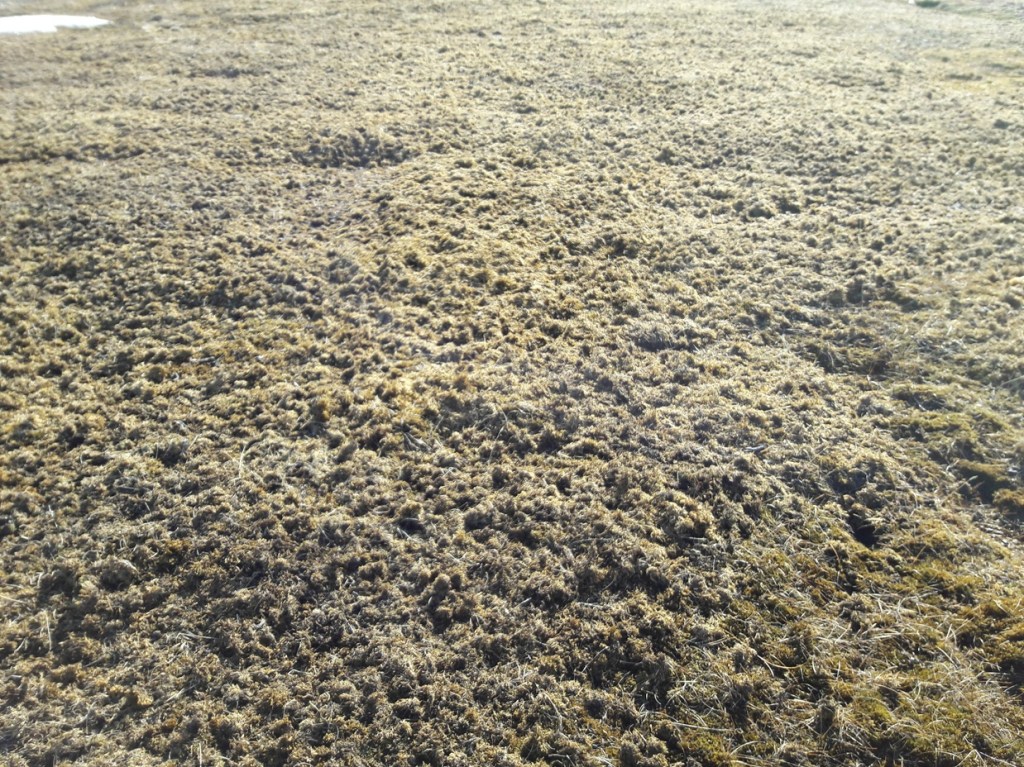
At the same time, Svalbard has experienced a marked increase in herbivory pressure driven by the rapid expansion of the pink-footed goose population because of climate warming and land-use changes along the migratory route. This population growth increases disturbance to the tundra through grubbing, i.e., the excavation of belowground plant parts in spring. Together with the year-round grazing by Svalbard reindeer and the summer foraging of barnacle geese, this growing herbivore pressure represents a major biotic driver of tundra change.
These abiotic and biotic changes make Svalbard an ideal natural laboratory for studying how winter icing, summer warming, and herbivory jointly affect plant communities and key ecosystem processes such as CO₂ fluxes and decomposition across contrasting tundra habitats.
Approach
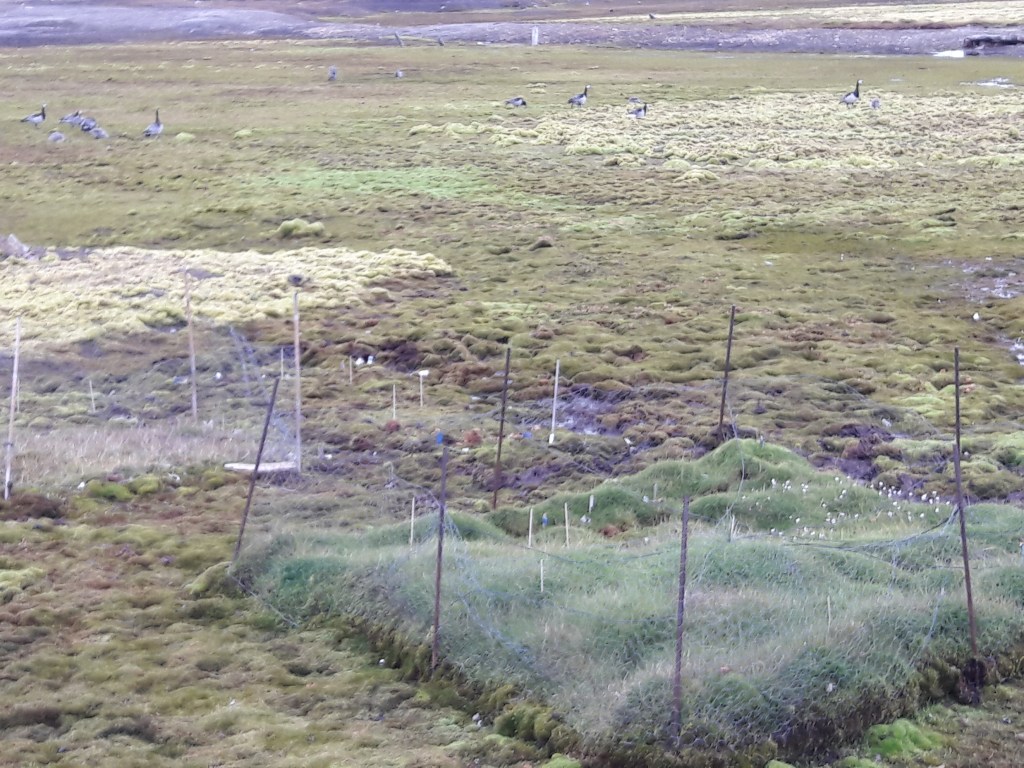
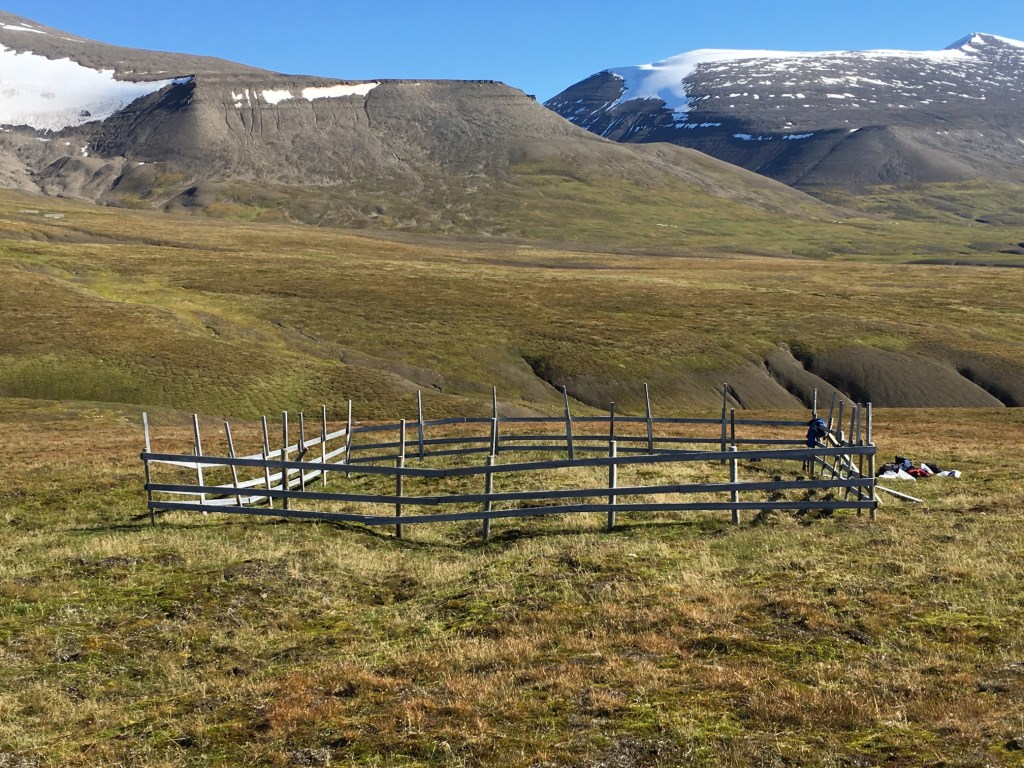
This project combines a suite of factorial field experiments. The experiments are primarily located in or around Adventdalen, a wide glacial valley near Longyearbyen, but extend across other sites in Svalbard, including Semmeldalen and Ny-Ålesund, where long-term herbivore exclosure studies are maintained.
Across sites, experimental manipulations target key environmental and biological drivers such as winter icing, summer warming, and herbivory, individually and in combination. Treatments typically include factorial combinations of warming (via OTCs), altered snow and ice conditions (simulated rain-on-snow events), and herbivore disturbance (e.g., goose grubbing or grazing exclusion). Together, these coordinated experiments and long-term studies provide a complementary framework for assessing how multiple climatic and biotic pressures jointly influence plant communities and ecosystem processes in the high-Arctic.
Selected findings by 2025
Most published research as of 2025 originates from a factorial field experiment simulating spring goose grubbing and summer warming, complemented by long-term herbivore exclosure studies. We developed a method to quantify major chemical constituents – carbon, nitrogen, and phosphorus – in single plant leaves using near-infrared reflectance spectroscopy (NIRS) (Petit Bon et al., 2020). Applying this approach and complementary techniques, we showed that goose grubbing and summer warming can alter the chemical composition of tundra plant communities (Petit Bon et al., 2021, 2023a) and associated CO₂ fluxes (Petit Bon et al., 2025) at much shorter temporal and finer spatial scales than previously recognized, with direct implications for ecosystem functioning. Comparable shifts in nutrient dynamics and carbon exchange rates were also observed under long-term herbivore exclusion (Petit Bon et al., 2023b).
Publications involving the TED Lab (from 2026 onward)
When Arctic winters turn wet: tundra plants under ice
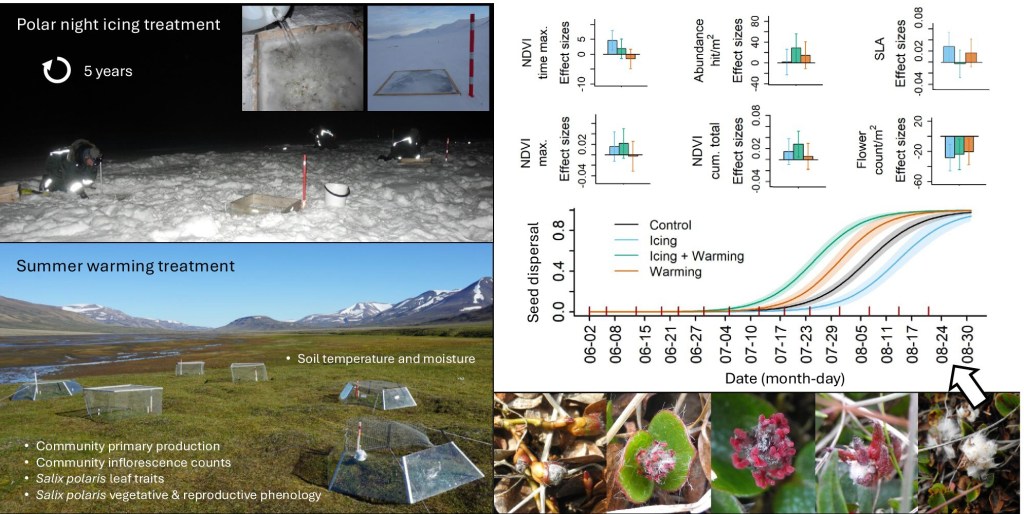
Arctic warming is progressing fastest in winter, increasingly replacing snow with rain that freezes at the ground and traps plants beneath thick ice layers for months. In this study, we asked how such “rain-on-snow” events, repeated over several winters, reshape tundra plant growth, timing, and reproduction, and whether warmer summers can offset their effects.
Using a five-year field experiment in high-Arctic Svalbard, we simulated extreme winter icing alongside moderate summer warming. Winter icing delayed spring soil thaw and early plant development, yet tundra vegetation proved remarkably resilient. Plants compensated for early setbacks by accelerating growth later in the season, leading to sustained, and in some cases enhanced, ecosystem productivity. This resilience, however, came at a cost: flowering and seed production were consistently reduced, revealing a trade-off between growth and reproduction.
Warmer summers largely counterbalanced the negative effects of icy winters on growth and phenology, but they did not restore reproductive output. Together, these results show that winter climate extremes can influence Arctic ecosystems as strongly as summer warming, without necessarily causing widespread die-off. Instead, they subtly reorganize how plants allocate time and resources within an already short growing season.
As rainy winters become the norm across the Arctic, understanding these seasonal trade-offs is essential for predicting future ecosystem functioning and the stability of tundra food webs.
Reference:
Le Moullec, M. et al. (2026). Towards rainy high Arctic winters: How experimental icing and summer warming affect tundra plant phenology, productivity and reproduction. Journal of Ecology: 114(1), e70234.
The article link is available via the Publications page.
Posted: 16 January 2026
 TED lab